

As a seasoned wheel castings supplier, I've witnessed firsthand the diverse requirements and preferences of our clients in the automotive and related industries. One of the most common questions we encounter is about the differences between cast iron and cast aluminum wheel castings. In this blog post, I'll delve into the key distinctions, advantages, and applications of these two materials to help you make an informed decision for your specific needs.
Material Composition and Properties
Cast iron is an alloy primarily composed of iron, carbon, and silicon, with small amounts of other elements such as manganese, sulfur, and phosphorus. The high carbon content, typically ranging from 2% to 4%, gives cast iron its characteristic hardness and brittleness. There are different types of cast iron, including gray cast iron, white cast iron, and ductile cast iron, each with unique properties and applications.
On the other hand, cast aluminum is an alloy based on aluminum, with various alloying elements such as copper, magnesium, silicon, and zinc added to enhance its mechanical properties. Aluminum is known for its low density, high strength-to-weight ratio, and excellent corrosion resistance. These properties make cast aluminum a popular choice for applications where weight reduction and corrosion resistance are critical.
Physical and Mechanical Properties
One of the most significant differences between cast iron and cast aluminum wheel castings is their weight. Aluminum is approximately one-third the density of iron, which means that cast aluminum wheel castings are much lighter than their cast iron counterparts. This weight reduction can have a profound impact on the overall performance of a vehicle, including improved fuel efficiency, acceleration, and handling.
In terms of strength, cast iron is generally stronger and more rigid than cast aluminum. Cast iron has a higher tensile strength and can withstand greater loads and stresses without deformation. However, cast iron is also more brittle and prone to cracking under impact or sudden loads. Cast aluminum, on the other hand, is more ductile and can absorb energy better, making it more resistant to cracking and damage.
Another important property to consider is thermal conductivity. Aluminum has a much higher thermal conductivity than cast iron, which means that it can dissipate heat more effectively. This property is particularly important for wheel castings, as it helps to prevent overheating and reduces the risk of brake fade and other performance issues.
Manufacturing Process
The manufacturing process for cast iron and cast aluminum wheel castings also differs significantly. Cast iron is typically produced using a sand casting process, where molten iron is poured into a sand mold and allowed to solidify. Sand casting is a relatively inexpensive and versatile process that can produce complex shapes and large quantities of parts. However, sand casting can also result in rough surface finishes and dimensional variations, which may require additional machining and finishing operations.
Cast aluminum wheel castings, on the other hand, are often produced using a die casting process. Die casting involves injecting molten aluminum into a steel die under high pressure, which results in a more precise and consistent shape. Die casting also produces a smoother surface finish and requires less machining and finishing than sand casting. However, die casting is a more expensive process and is typically used for high-volume production runs.
Cost and Availability
Cost is another important factor to consider when choosing between cast iron and cast aluminum wheel castings. Cast iron is generally less expensive than cast aluminum, primarily due to the lower cost of the raw materials and the simpler manufacturing process. However, the cost of cast iron can vary depending on the type of iron used, the complexity of the part, and the quantity ordered.

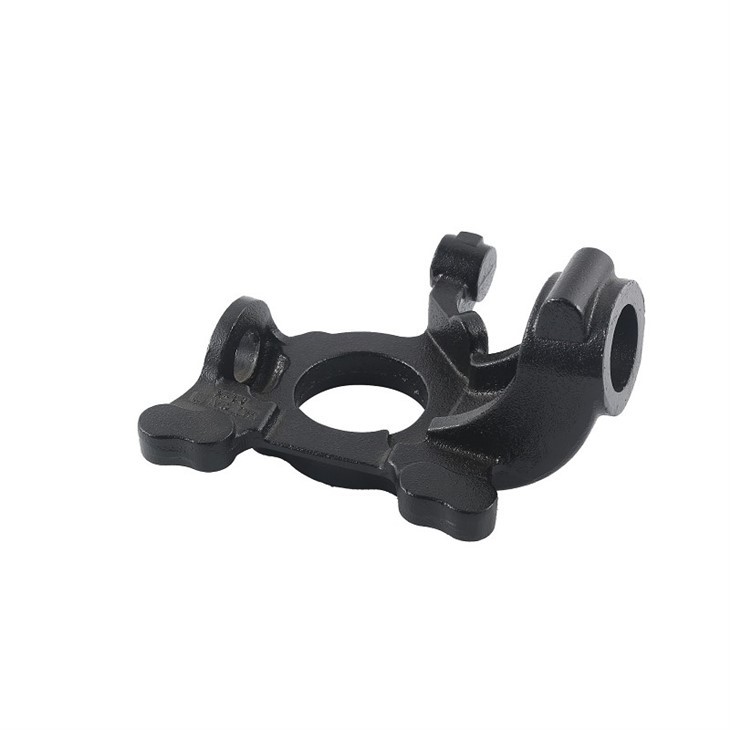
Cast aluminum, on the other hand, is more expensive than cast iron, but it offers significant advantages in terms of weight reduction, corrosion resistance, and thermal conductivity. The cost of cast aluminum can also vary depending on the alloy used, the manufacturing process, and the quantity ordered.
In terms of availability, cast iron is more widely available than cast aluminum, as it is a more commonly used material in the manufacturing industry. However, the availability of cast iron may be limited in some regions or for certain applications. Cast aluminum, on the other hand, is more commonly used in the automotive and aerospace industries, where weight reduction and performance are critical.
Applications
Cast iron and cast aluminum wheel castings are used in a wide range of applications, each with its own unique requirements and performance characteristics. Cast iron wheel castings are commonly used in heavy-duty applications, such as trucks, buses, and industrial equipment, where strength and durability are critical. Cast iron wheel castings are also used in some high-performance applications, such as racing cars, where the high strength and rigidity of cast iron can provide better handling and stability.
Cast aluminum wheel castings, on the other hand, are more commonly used in passenger cars, SUVs, and light trucks, where weight reduction and performance are important. Cast aluminum wheel castings are also used in some high-performance applications, such as sports cars and racing vehicles, where the lightweight and high strength-to-weight ratio of cast aluminum can provide a significant performance advantage.
In addition to wheel castings, cast iron and cast aluminum are also used in a variety of other automotive components, such as Iron Wagon Brake Caliper Bracket Casting, Steering Knuckle Castings, and Automobile Components Casting. The choice of material for these components will depend on the specific requirements of the application, including strength, weight, corrosion resistance, and cost.
Conclusion
In conclusion, the choice between cast iron and cast aluminum wheel castings depends on a variety of factors, including the specific requirements of the application, the desired performance characteristics, and the cost and availability of the materials. Cast iron wheel castings are generally stronger and more rigid, but they are also heavier and more brittle. Cast aluminum wheel castings, on the other hand, are lighter, more ductile, and have better thermal conductivity, but they are also more expensive.
As a wheel castings supplier, we understand the importance of providing our clients with high-quality products that meet their specific needs and requirements. Whether you're looking for cast iron or cast aluminum wheel castings, we have the expertise and experience to deliver the right solution for your application. If you have any questions or would like to discuss your specific requirements, please don't hesitate to contact us. We look forward to working with you to find the perfect wheel castings solution for your project.
References
- ASM Handbook, Volume 15: Casting, ASM International
- Aluminum Association, Aluminum Casting Alloys
- American Foundry Society, Cast Iron Handbook