

As a supplier of CF8M pumps, I understand the importance of keeping these pumps in optimal working condition. CF8M pumps are widely used in various industries due to their excellent corrosion resistance and mechanical properties, making them suitable for handling corrosive fluids and high-pressure applications. However, like any mechanical equipment, they can encounter issues over time. In this blog post, I'll share some effective troubleshooting methods to help you get your CF8M pump back on track.
1. Check the Power Supply
The first step in troubleshooting a CF8M pump is to ensure that it is receiving the correct power supply. A lack of power or an unstable power source can cause the pump to malfunction. Here's what you can do:

- Verify the Electrical Connections: Check all the electrical connections to make sure they are tight and free from corrosion. Loose or corroded connections can lead to poor electrical conductivity, which may prevent the pump from starting or cause it to run erratically.
- Measure the Voltage: Use a multimeter to measure the voltage at the pump's power input. The voltage should be within the range specified in the pump's manual. If the voltage is too low or too high, it could damage the pump motor.
- Inspect the Circuit Breaker or Fuse: Check if the circuit breaker has tripped or the fuse has blown. If so, reset the circuit breaker or replace the fuse with one of the correct rating.
2. Examine the Pump for Physical Damage
Physical damage to the pump can also cause it to malfunction. Inspect the pump carefully for any signs of damage, such as cracks, leaks, or worn-out parts.
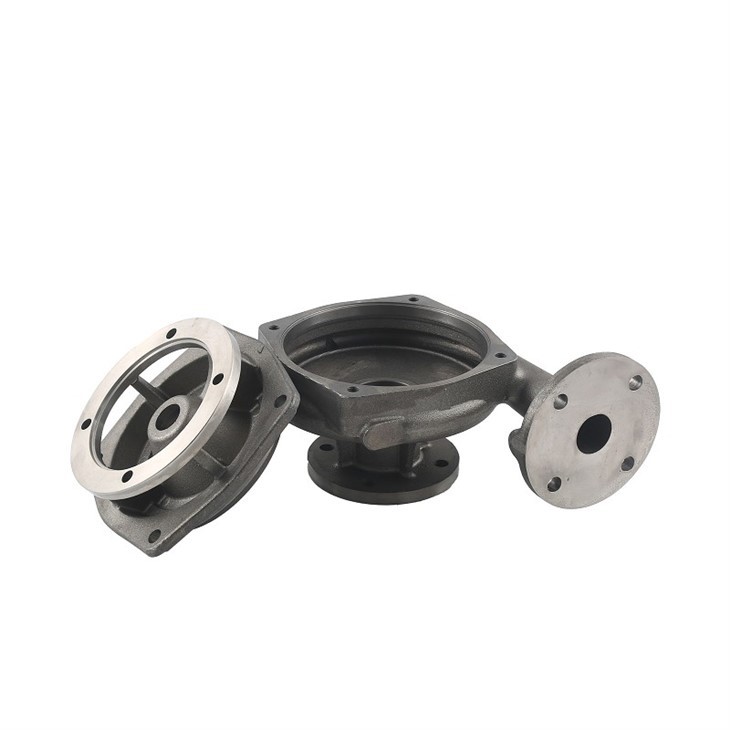
- Check the Pump Housing: Look for cracks or dents in the pump housing. A cracked housing can cause leaks and reduce the pump's efficiency. If you find any damage, it may be necessary to replace the housing.
- Inspect the Impeller: The impeller is a crucial part of the pump that helps to move the fluid. Check the impeller for any signs of wear or damage, such as chips or cracks. A damaged impeller can cause the pump to lose its prime or reduce its flow rate. If the impeller is damaged, it should be replaced.
- Look for Leaks: Check for any leaks around the pump, including the seals, gaskets, and connections. Leaks can not only waste fluid but also cause the pump to lose its prime. If you find a leak, tighten the connections or replace the seals or gaskets as needed.
3. Check the Pump's Lubrication
Proper lubrication is essential for the smooth operation of the CF8M pump. Insufficient lubrication can cause excessive wear and tear on the pump's moving parts, leading to premature failure.
- Check the Lubricant Level: Refer to the pump's manual to determine the correct lubricant level. Use a dipstick or sight glass to check the lubricant level. If the level is low, add the recommended lubricant to the appropriate level.
- Inspect the Lubricant Quality: Check the lubricant for any signs of contamination, such as dirt, water, or metal particles. Contaminated lubricant can cause damage to the pump's bearings and other moving parts. If the lubricant is contaminated, drain it and replace it with fresh lubricant.
- Follow the Lubrication Schedule: Make sure to follow the lubrication schedule recommended by the pump manufacturer. Regular lubrication can help to extend the life of the pump and prevent costly repairs.
4. Evaluate the Pump's Flow and Pressure
The flow rate and pressure of the pump are important indicators of its performance. If the flow rate or pressure is too low or too high, it could indicate a problem with the pump.
- Measure the Flow Rate: Use a flow meter to measure the flow rate of the pump. Compare the measured flow rate with the rated flow rate specified in the pump's manual. If the flow rate is significantly lower than the rated flow rate, it could be due to a clogged impeller, a blocked suction line, or a worn-out pump.
- Check the Pressure: Use a pressure gauge to measure the pressure at the pump's discharge. Compare the measured pressure with the rated pressure specified in the pump's manual. If the pressure is too low, it could be due to a leak, a clogged filter, or a worn-out pump. If the pressure is too high, it could be due to a blocked discharge line or a malfunctioning pressure relief valve.
- Inspect the Suction and Discharge Lines: Check the suction and discharge lines for any signs of blockage, such as debris or sediment. A blocked suction line can cause the pump to lose its prime, while a blocked discharge line can cause the pump to overpressure. If you find a blockage, clean the lines or replace the filters as needed.
5. Consider the Pump's Operating Conditions
The operating conditions of the pump can also affect its performance. Make sure that the pump is operating within the recommended temperature, pressure, and flow range.
- Check the Temperature: The temperature of the fluid being pumped can affect the performance of the pump. If the temperature is too high, it can cause the pump to overheat and damage the seals and bearings. If the temperature is too low, it can cause the fluid to thicken and reduce the pump's flow rate. Make sure that the temperature of the fluid is within the recommended range.
- Monitor the Pressure: The pressure at the pump's suction and discharge should be within the recommended range. If the pressure is too high or too low, it can cause the pump to malfunction. Monitor the pressure regularly and adjust the system as needed.
- Control the Flow Rate: The flow rate of the pump should be within the recommended range. If the flow rate is too high, it can cause the pump to cavitate, which can damage the impeller and other parts of the pump. If the flow rate is too low, it can cause the pump to lose its prime. Control the flow rate using a flow control valve or a variable frequency drive.
6. Replace Worn-Out Parts
Over time, the parts of the CF8M pump will wear out and need to be replaced. Regular maintenance and inspection can help to identify worn-out parts before they cause a major problem.
- Keep Spare Parts on Hand: As a CF8M pump supplier, I recommend keeping a stock of common spare parts, such as seals, gaskets, impellers, and bearings. This will ensure that you can quickly replace worn-out parts and minimize downtime.
- Use Genuine Parts: When replacing parts, make sure to use genuine parts that are specifically designed for your CF8M pump. Using non-genuine parts can void the pump's warranty and may cause the pump to malfunction.
- Follow the Manufacturer's Instructions: When replacing parts, follow the manufacturer's instructions carefully. Improper installation of parts can cause the pump to malfunction and may even lead to safety hazards.
7. Seek Professional Help
If you have tried all the above troubleshooting methods and still cannot resolve the problem, it may be necessary to seek professional help. A qualified pump technician can diagnose the problem accurately and provide the appropriate solution.
- Contact the Pump Manufacturer: As a CF8M pump supplier, I have access to the manufacturer's technical support team. If you are experiencing problems with your pump, you can contact me, and I can help you get in touch with the manufacturer's technical support team for further assistance.
- Hire a Professional Pump Service Provider: There are many professional pump service providers who specialize in troubleshooting and repairing CF8M pumps. Hiring a professional service provider can ensure that the problem is diagnosed and resolved quickly and efficiently.
In conclusion, troubleshooting a CF8M pump requires a systematic approach. By following the steps outlined in this blog post, you can identify and resolve most common problems with your CF8M pump. However, if you are unsure about any aspect of the troubleshooting process, it is always best to seek professional help.
If you are in need of CF8M pumps or replacement parts, such as Cast Iron Gear, Pump Cover Castings, or Pump Casting Parts, please feel free to contact me for more information and to discuss your specific requirements. I am always ready to assist you in finding the best solutions for your pumping needs.
References
- Manufacturer's manuals for CF8M pumps
- Industry standards and best practices for pump maintenance and troubleshooting
- Technical articles and resources on pump technology