

What is the Weight of Pumpworks Castings?
As a supplier of pumpworks castings, I often receive inquiries about the weight of these crucial components. Understanding the weight of pumpworks castings is essential for various reasons, including transportation, installation, and overall system design. In this blog post, I'll delve into the factors that influence the weight of pumpworks castings, provide some examples, and discuss why this information matters.
Factors Influencing the Weight of Pumpworks Castings
The weight of pumpworks castings can vary significantly depending on several key factors. These factors include the type of casting, the material used, the size and complexity of the design, and the specific application requirements.
Type of Casting
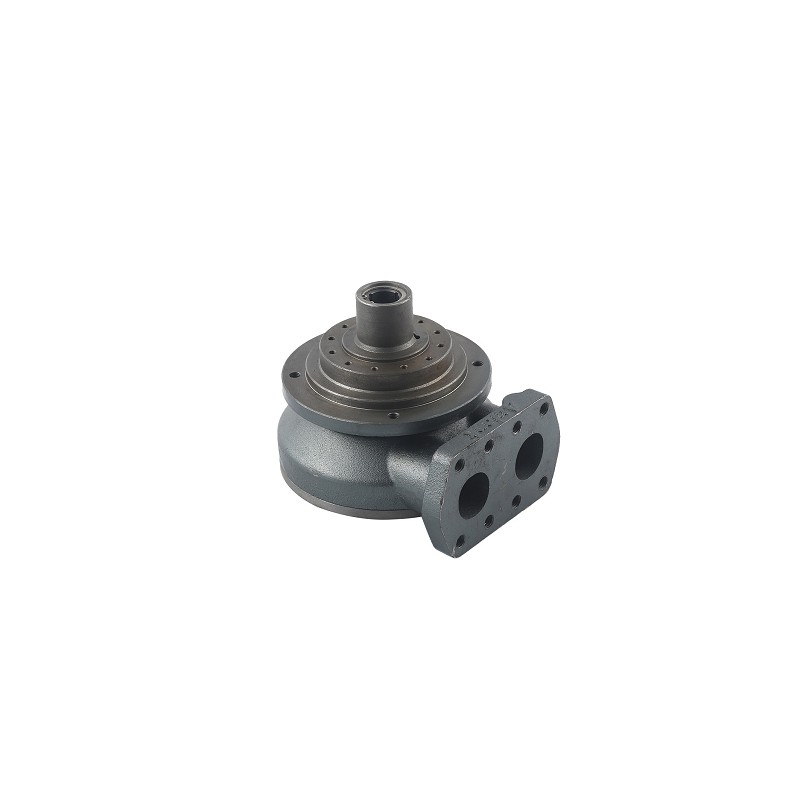
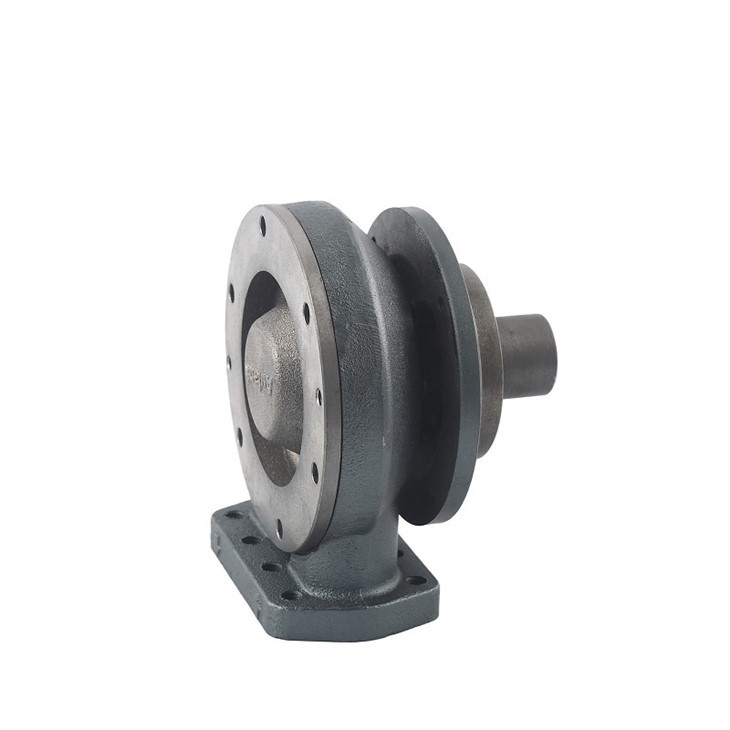
There are different types of pumpworks castings, each with its own characteristics and weight considerations. For example, Submersible Pump Casting Parts are designed to be used in submerged environments, which often require them to be more robust and heavier to withstand the pressure and forces involved. On the other hand, Pump Casting Parts used in less demanding applications may be lighter in weight.
Material
The material used in the casting process plays a major role in determining the weight. Common materials for pumpworks castings include cast iron, steel, and aluminum. Cast iron is known for its high density and strength, which means castings made from it will generally be heavier. Steel castings also offer high strength but can vary in weight depending on the specific alloy used. Aluminum, on the other hand, is a lightweight material, and aluminum castings are significantly lighter than those made from cast iron or steel.
Size and Complexity
The size and complexity of the casting design directly impact its weight. Larger castings naturally require more material and will therefore be heavier. Complex designs with intricate details and features may also add to the weight as they often require more material to achieve the desired shape and functionality. For instance, Pump Cover Castings with complex geometries may be heavier than simple, flat covers.
Application Requirements
The intended application of the pumpworks casting can also influence its weight. Castings used in high-pressure or high-flow applications may need to be heavier to ensure they can withstand the operating conditions. For example, in industrial pumping systems where large volumes of fluid need to be moved at high pressures, the castings will be designed to be more substantial to handle the stress.
Examples of Pumpworks Casting Weights
To give you a better idea of the weight range, let's look at some examples of different pumpworks castings.
- Small Pump Impellers: These are relatively small components and can weigh anywhere from a few kilograms to around 10 - 15 kilograms, depending on the size and material. Aluminum impellers will be on the lighter end of this range, while cast iron or steel impellers may be heavier.
- Medium-Sized Pump Housings: A medium-sized pump housing, such as those used in commercial water supply systems, can weigh between 50 - 200 kilograms. Again, the weight will depend on the material (e.g., cast iron housings will be heavier than aluminum ones) and the specific design requirements.
- Large Industrial Pump Castings: In industrial settings, large pump castings can be extremely heavy. For example, castings for large centrifugal pumps used in power plants or mining operations can weigh several tons. These heavy castings are designed to handle high volumes of fluid and high pressures.
Why the Weight of Pumpworks Castings Matters
The weight of pumpworks castings has several implications that are important for both manufacturers and end-users.
Transportation
The weight of the castings affects the cost and logistics of transportation. Heavier castings require more robust transportation methods and may incur higher shipping costs. Additionally, weight restrictions on roads and in shipping containers need to be considered to ensure compliance and safe transportation.
Installation
During the installation process, the weight of the castings determines the equipment and manpower required. Heavier castings may need specialized lifting equipment and more skilled labor to install properly. This can add to the overall installation cost and time.
System Design
The weight of the castings is also a crucial factor in the overall design of the pumping system. It affects the structural support requirements, the balance of the system, and the energy consumption. For example, a heavier pump casting may require a stronger foundation to support it, and it may also increase the load on the motor, potentially leading to higher energy consumption.
Conclusion
In conclusion, the weight of pumpworks castings is influenced by multiple factors, including the type of casting, material, size, complexity, and application requirements. Understanding these factors is essential for making informed decisions about the selection, transportation, installation, and design of pumping systems.
If you are in the market for high-quality pumpworks castings and have specific weight or other requirements, I encourage you to reach out to discuss your needs. Whether you need Submersible Pump Casting Parts, Pump Casting Parts, or Pump Cover Castings, we have the expertise and capabilities to provide you with the right solutions. Let's start a conversation to find the perfect pumpworks castings for your project.
References
- ASM Handbook Volume 15: Casting. ASM International.
- Pump Handbook, 4th Edition. Karassik, I. J., Messina, J. P., Cooper, P., & Heald, C. C. (Eds.). McGraw-Hill.