

When it comes to installing pumpworks castings, safety is of utmost importance. As a trusted pumpworks castings supplier, I understand the critical role that safety precautions play in ensuring a successful installation process. In this blog post, I will share some essential safety measures that should be taken into account when installing pumpworks castings.
Pre - installation Safety Checks
Before starting the installation of pumpworks castings, a thorough pre - installation inspection is necessary. First and foremost, check the condition of the castings upon arrival. Inspect for any visible cracks, chips, or other defects. Damaged castings can compromise the safety and performance of the pump system. If any issues are found, contact the supplier immediately to arrange for replacements.
Review the installation manual provided by the casting manufacturer. This manual contains crucial information about the specific requirements and procedures for installing the pumpworks castings. Make sure all the installation tools and equipment are in good working condition. Tools such as wrenches, hoists, and lifting slings should be inspected for wear and tear, and any faulty tools should be replaced.
Personal Protective Equipment (PPE)
Wearing appropriate personal protective equipment is non - negotiable during the installation of pumpworks castings. Safety glasses are essential to protect the eyes from flying debris, dust, and metal shavings. Gloves should be worn to protect the hands from sharp edges, cuts, and chemical exposure. Depending on the installation environment, steel - toed boots are necessary to prevent foot injuries from heavy objects.
In some cases, respiratory protection may also be required. If the installation involves working in an area with poor ventilation or where there are fumes or dust particles in the air, a respirator should be worn. Additionally, hard hats are a must when working in areas where there is a risk of falling objects.
Lifting and Handling
Pumpworks castings can be heavy and awkward to handle. When lifting the castings, use proper lifting equipment such as cranes or hoists. Ensure that the lifting equipment has a sufficient weight capacity to handle the load. The lifting points on the castings should be clearly marked, and the lifting slings or chains should be attached securely to these points.
During the lifting process, make sure that the load is balanced to prevent it from tipping or swinging. The area around the lifting operation should be clear of any obstacles and personnel. Only trained and authorized personnel should operate the lifting equipment. If the castings need to be moved over a distance, use appropriate material handling equipment such as forklifts or pallet jacks, following all the safety guidelines for their operation.
Installation Site Preparation
The installation site should be clean, dry, and level. Remove any debris, dirt, or grease from the surface where the pumpworks castings will be installed. A level surface is crucial to ensure the proper alignment of the castings and the overall pump system. If the installation is taking place outdoors, make sure to check the weather forecast. Extreme weather conditions such as heavy rain, strong winds, or extreme temperatures can affect the installation process and pose safety risks.
Mark the location for the castings accurately according to the installation plan. This will help in ensuring that the castings are installed in the correct position and orientation. If there are any electrical or plumbing connections required, make sure that the power is turned off and the water supply is shut off before starting the installation work.
Alignment and Assembly
Proper alignment of the pumpworks castings is vital for the efficient and safe operation of the pump system. Use alignment tools such as dial indicators to ensure that the castings are aligned within the specified tolerances. Misaligned castings can cause excessive vibration, premature wear, and even mechanical failure of the pump.

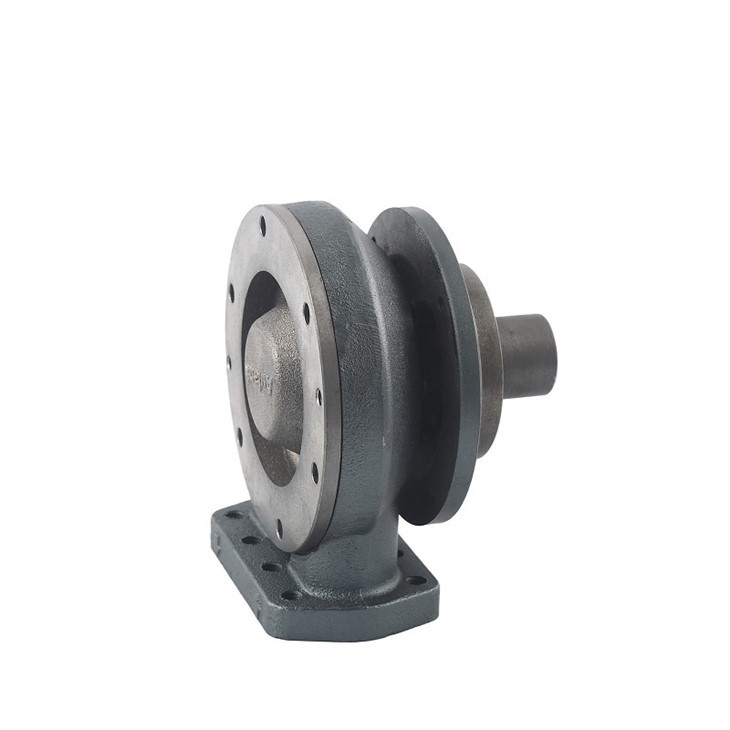
When assembling the castings, follow the recommended torque values for the bolts and fasteners. Over - tightening or under - tightening the bolts can lead to problems such as leaks, loosening of components, or damage to the castings. Use a torque wrench to ensure accurate tightening. During the assembly process, make sure that all the gaskets and seals are in good condition and are installed correctly to prevent fluid leakage.
Electrical Safety
If the pumpworks castings are part of an electrically - powered pump system, electrical safety is a top priority. All electrical work should be carried out by qualified electricians. Before starting any electrical installation or connection, ensure that the power source is turned off and locked out to prevent accidental energization.
Use proper electrical cables and connectors that are rated for the voltage and current requirements of the pump. Inspect the electrical components for any signs of damage or wear. Grounding the pump system is essential to protect against electrical shocks. Make sure that all the electrical connections are tight and secure to prevent short circuits.
Chemical and Fluid Safety
In some pump applications, the castings may come into contact with chemicals or fluids. It is important to understand the properties of these substances and take appropriate safety measures. Wear chemical - resistant gloves and protective clothing if there is a risk of contact with hazardous chemicals.
If the pump is used for handling flammable fluids, ensure that the installation site is properly ventilated and that there are no sources of ignition nearby. Follow all the safety regulations regarding the storage and handling of chemicals and fluids. In case of a spill, have the appropriate spill - response equipment on hand, such as absorbent materials and spill kits.
Post - installation Checks
After the installation of the pumpworks castings is complete, conduct a thorough post - installation check. Inspect all the connections, bolts, and fasteners to ensure that they are tight and secure. Check for any signs of leaks, either fluid or air. Run a test operation of the pump system at a low speed to check for any abnormal vibrations or noises.
Verify that all the safety devices, such as pressure relief valves and over - current protection, are functioning properly. If any issues are detected during the post - installation check, address them immediately before putting the pump system into full - scale operation.
Product - related Links
For more information about our high - quality pumpworks castings, you can visit the following links: Astm A48 Cl 30, Submersible Pump Casting Parts, and Cast Iron Gear.
Conclusion
Installing pumpworks castings requires strict adherence to safety precautions at every stage of the process. From pre - installation checks to post - installation verification, every step plays a crucial role in ensuring the safety and reliability of the pump system. As a pumpworks castings supplier, we are committed to providing high - quality products and supporting our customers with comprehensive safety information.
If you are in the market for pumpworks castings or have any questions about the installation process, feel free to reach out to us. We are ready to assist you in your procurement and installation needs, ensuring that you get the best products and services.
References
- "Pump Installation and Maintenance Handbook"
- Industry standards for pumpworks castings installation
- Manufacturer's installation manuals for pumpworks castings