

As a seasoned supplier of casting impellers, I've witnessed firsthand the challenges that high vibration levels in these components can pose. Excessive vibration not only affects the performance and efficiency of the equipment but also shortens the lifespan of the impeller and other related parts. In this blog, I'll share some effective strategies to reduce the vibration level of a casting impeller, drawing on my years of experience in the industry.
Understanding the Causes of Impeller Vibration
Before we delve into the solutions, it's crucial to understand the root causes of impeller vibration. Several factors can contribute to this issue, including:
- Imbalance: One of the most common causes of impeller vibration is imbalance. This occurs when the mass distribution of the impeller is uneven, causing it to rotate off - center. Imbalance can be a result of manufacturing defects, wear and tear, or improper installation.
- Hydraulic Forces: The flow of fluid through the impeller can generate hydraulic forces. If these forces are not evenly distributed, they can cause the impeller to vibrate. This can happen due to improper impeller design, blockages in the flow path, or changes in the fluid properties.
- Mechanical Resonance: Every impeller has a natural frequency at which it vibrates. If the operating speed of the impeller coincides with its natural frequency, resonance can occur, leading to excessive vibration. This can be particularly problematic as it can cause significant damage to the impeller and the entire system.
- Bearing Issues: Worn - out or damaged bearings can also cause impeller vibration. Bearings are responsible for supporting the impeller shaft and allowing it to rotate smoothly. If the bearings are not functioning properly, they can introduce additional vibration into the system.
Strategies to Reduce Impeller Vibration
Balancing the Impeller
Balancing is perhaps the most effective way to reduce impeller vibration caused by imbalance. There are two main types of balancing: static balancing and dynamic balancing.
- Static Balancing: This method is suitable for impellers with a relatively low rotational speed. In static balancing, the impeller is placed on a horizontal shaft, and weights are added or removed from the impeller until it remains stationary in any position. This ensures that the center of gravity of the impeller is aligned with the axis of rotation.
- Dynamic Balancing: For high - speed impellers, dynamic balancing is required. This involves rotating the impeller at its operating speed and using sensors to measure the vibration levels. Based on the measurement results, weights are added or removed from specific locations on the impeller to correct the imbalance. Dynamic balancing is a more accurate and comprehensive method compared to static balancing.
Optimizing the Impeller Design
A well - designed impeller can significantly reduce vibration caused by hydraulic forces. Here are some design considerations:
- Proper Blade Geometry: The shape and angle of the impeller blades play a crucial role in determining the flow pattern of the fluid. By optimizing the blade geometry, we can ensure that the hydraulic forces are evenly distributed, reducing the likelihood of vibration. For example, using backward - curved blades can help to reduce the radial forces acting on the impeller.
- Smooth Surface Finish: A smooth surface finish on the impeller can reduce the friction between the fluid and the impeller, minimizing the generation of hydraulic forces. This can be achieved through proper machining and finishing processes during the manufacturing of the impeller.
- Appropriate Impeller Size: Selecting the right size of the impeller for the specific application is essential. An oversized or undersized impeller can lead to inefficient fluid flow and increased vibration. By carefully calculating the required flow rate, head, and power, we can choose an impeller that operates at its optimal point, reducing vibration.
Avoiding Mechanical Resonance
To avoid mechanical resonance, we need to ensure that the operating speed of the impeller does not coincide with its natural frequency. This can be achieved through the following methods:
- Frequency Analysis: Conducting a frequency analysis of the impeller can help us determine its natural frequency. By using specialized equipment, we can measure the vibration response of the impeller at different frequencies and identify its natural frequency. Once we know the natural frequency, we can adjust the operating speed of the impeller to avoid resonance.
- Stiffening the Impeller Structure: Increasing the stiffness of the impeller structure can change its natural frequency. This can be done by adding ribs or other structural reinforcements to the impeller. By increasing the stiffness, we can shift the natural frequency of the impeller away from the operating speed, reducing the risk of resonance.
Maintaining the Bearings
Proper bearing maintenance is crucial for reducing impeller vibration caused by bearing issues. Here are some maintenance tips:
- Regular Inspection: Regularly inspecting the bearings for signs of wear, damage, or contamination is essential. This can be done by visually examining the bearings or using non - destructive testing methods. If any issues are detected, the bearings should be replaced immediately.
- Lubrication: Adequate lubrication is necessary to ensure the smooth operation of the bearings. Using the right type of lubricant and following the recommended lubrication schedule can help to reduce friction and wear, extending the lifespan of the bearings and reducing vibration.
- Proper Installation: Ensuring that the bearings are installed correctly is also important. Improper installation can cause misalignment, which can lead to increased vibration. By following the manufacturer's installation instructions, we can ensure that the bearings are installed in the correct position and orientation.
The Role of Quality Casting in Vibration Reduction
As a casting impeller supplier, I understand the importance of quality casting in reducing vibration. High - quality casting processes can ensure that the impeller has a uniform structure and accurate dimensions, which are essential for balanced operation.
- Precision Casting: Precision casting methods, such as investment casting, can produce impellers with high dimensional accuracy and smooth surface finish. This helps to reduce the likelihood of imbalance and hydraulic forces, resulting in lower vibration levels.
- Material Selection: Choosing the right material for the impeller is also crucial. The material should have good mechanical properties, such as high strength and stiffness, to withstand the forces acting on the impeller during operation. Additionally, the material should be resistant to corrosion and wear to ensure the long - term performance of the impeller.
Conclusion
Reducing the vibration level of a casting impeller is a complex but achievable goal. By understanding the causes of impeller vibration and implementing the appropriate strategies, such as balancing, optimizing the design, avoiding resonance, and maintaining the bearings, we can significantly reduce the vibration levels and improve the performance and reliability of the impeller.

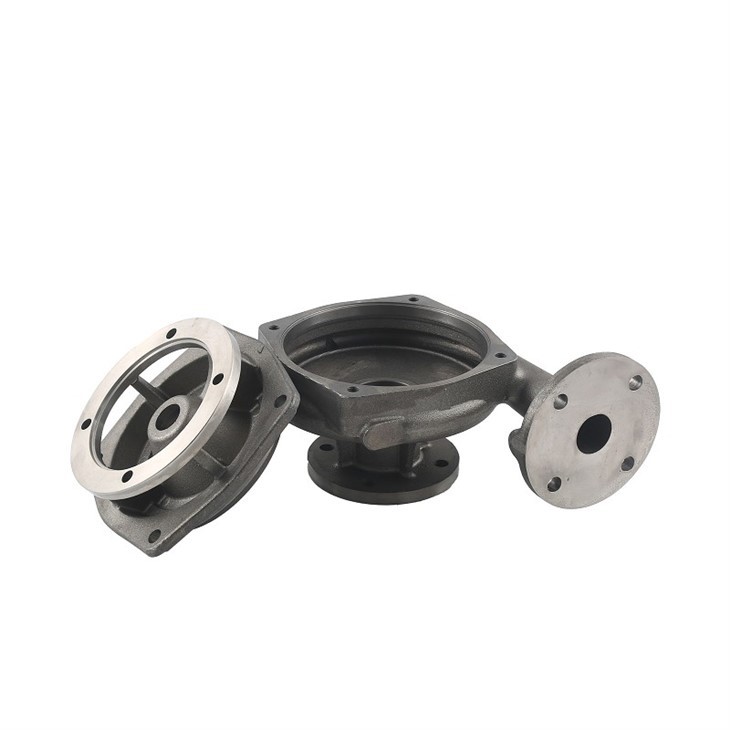
If you're in the market for high - quality casting impellers or need assistance with reducing the vibration levels of your existing impellers, don't hesitate to reach out. We offer a wide range of Submersible Pump Casting Parts and Cast Iron Gear that are designed to meet the highest standards of quality and performance. Our team of experts is always ready to provide you with professional advice and support. You can also explore our Submersible Pump Casting Parts factory for more information.
Let's work together to find the best solutions for your impeller needs and ensure the smooth operation of your equipment.
References
- Bloch, H. P., & Geitner, F. K. (2006). Pump User's Handbook: Life Extension. McGraw - Hill Professional.
- Stepanoff, A. J. (1957). Centrifugal and Axial Flow Pumps: Theory, Design, and Application. John Wiley & Sons.
- Karassik, I. J., Messina, J. P., Cooper, P. T., & Heald, C. C. (2008). Pump Handbook. McGraw - Hill Professional.