

When it comes to the industrial world, pumpworks castings play a pivotal role in ensuring the efficient operation of various pumping systems. As a seasoned pumpworks castings supplier, I understand the complexities and nuances involved in choosing the right castings. In this blog, I'll share some valuable insights to help you make an informed decision.
Understanding the Basics of Pumpworks Castings
Pumpworks castings are essentially components that are manufactured through the casting process. This involves pouring molten metal into a mold to create a specific shape. The quality of these castings can significantly impact the performance, durability, and efficiency of the pump.
There are different types of materials used in pumpworks castings, including iron, steel, and various alloys. Each material has its own set of properties that make it suitable for different applications. For instance, cast iron is known for its excellent wear resistance and is often used in applications where the pump will be handling abrasive fluids. On the other hand, steel castings offer high strength and are ideal for high - pressure applications.
Factors to Consider When Choosing Pumpworks Castings
1. Application Requirements
The first step in choosing the right pumpworks castings is to understand the specific application requirements. Consider the type of fluid the pump will be handling. Is it a corrosive liquid, a viscous substance, or a fluid with solid particles? For example, if you're dealing with a corrosive chemical, you'll need castings made from corrosion - resistant materials such as stainless steel or certain alloys.
The operating conditions also matter. What is the temperature and pressure range of the pumping system? High - temperature applications may require castings that can withstand thermal stress without deforming. Similarly, high - pressure applications demand castings with high strength and pressure - bearing capabilities.
2. Material Quality
As mentioned earlier, the material of the casting is crucial. You need to ensure that the material meets the required standards. One commonly used standard is Astm A48 Cl 30. This standard specifies the requirements for gray iron castings, which are widely used in pumpworks.
When evaluating the material quality, look for certifications and test reports. Reputable suppliers should be able to provide documentation that verifies the chemical composition, mechanical properties, and other relevant characteristics of the castings.
3. Design and Precision
The design of the pumpworks castings is another important factor. A well - designed casting should fit perfectly into the pump system and optimize the flow of the fluid. Precision in manufacturing is essential to ensure that the casting has the correct dimensions and tolerances.
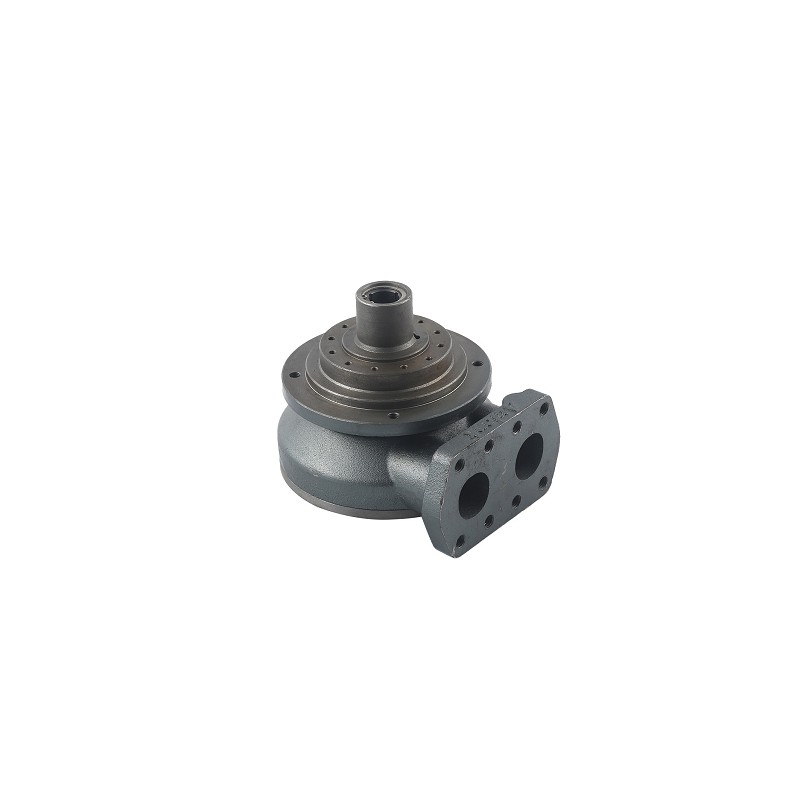
For example, in submersible pumps, the Submersible Pump Casting Parts need to be designed in a way that they can withstand the underwater environment and operate efficiently. Any deviation in the design or dimensions can lead to leaks, reduced efficiency, and premature failure of the pump.

4. Supplier Reputation
Choosing a reliable supplier is as important as choosing the right castings. A good supplier should have a proven track record of delivering high - quality products on time. Look for suppliers who have experience in the pumpworks casting industry and have positive reviews from their customers.
A reputable supplier will also offer technical support and after - sales service. They should be able to assist you in selecting the right castings for your specific needs and provide solutions in case of any issues with the products.
The Importance of Quality Control in Pumpworks Castings
Quality control is an integral part of the manufacturing process of pumpworks castings. A comprehensive quality control system ensures that every casting meets the required standards and specifications.
The quality control process typically starts with the inspection of the raw materials. The supplier should check the chemical composition and physical properties of the metal to ensure its suitability for the casting process.
During the casting process, various tests are conducted to monitor the quality. These may include non - destructive testing methods such as ultrasonic testing, X - ray testing, and magnetic particle testing to detect any internal defects in the castings.
After the casting is completed, a final inspection is carried out. This includes dimensional inspection to ensure that the casting has the correct size and shape, as well as surface finish inspection to check for any flaws or irregularities.
Cost Considerations
While quality is of utmost importance, cost is also a factor that cannot be ignored. When comparing different pumpworks castings, it's important to consider the total cost of ownership. This includes not only the initial purchase price but also the cost of maintenance, repair, and replacement over the life of the pump.
A cheaper casting may seem like a good deal at first, but if it has a shorter lifespan or requires frequent repairs, it may end up costing you more in the long run. On the other hand, a high - quality casting may have a higher upfront cost but can save you money in the long term by reducing downtime and maintenance costs.
Customization Options
In some cases, standard pumpworks castings may not meet your specific requirements. That's where customization comes in. A good supplier should be able to offer customization options to tailor the castings to your unique needs.
Whether it's a special shape, size, or material requirement, a supplier with the right capabilities can work with you to design and manufacture custom - made pumpworks castings. This can give you a competitive edge by allowing you to optimize your pump system for maximum performance.
Case Studies: Real - World Examples of Choosing the Right Pumpworks Castings
Let's take a look at a couple of real - world examples to illustrate the importance of choosing the right pumpworks castings.
Case 1: A chemical processing plant was experiencing frequent pump failures due to corrosion. The original castings were made from a standard iron material that was not resistant to the corrosive chemicals being handled. After consulting with a pumpworks casting supplier, they switched to stainless steel castings. This not only solved the corrosion problem but also increased the pump's lifespan and reduced maintenance costs.
Case 2: A mining company needed pumps to handle slurries with high concentrations of solid particles. They initially used pump castings that were not designed to withstand the abrasive nature of the slurries. As a result, the pumps had a short lifespan and required frequent replacement of the castings. By working with a supplier to select castings made from a wear - resistant alloy and with a design optimized for slurry handling, the company was able to significantly improve the pump's performance and reduce downtime.
Conclusion
Choosing the right pumpworks castings is a complex but crucial decision. By considering factors such as application requirements, material quality, design and precision, supplier reputation, quality control, cost, and customization options, you can ensure that you select castings that will meet your needs and provide long - term value.
As a pumpworks castings supplier, I am committed to providing high - quality products and excellent service. If you're in the process of choosing pumpworks castings for your pumping system, I encourage you to get in touch with me. I can help you navigate the selection process and provide you with the best solutions for your specific requirements. Whether you need Pump Casting Parts for a standard application or custom - made castings for a unique project, I'm here to assist you.
References
- "Industrial Pumps Handbook" by Heinz P. Bloch
- "Castings: Principles, Processes, and Applications" by P. C. Pandey