

What is the vibration level of a casting impeller?
As a supplier of casting impellers, I often encounter inquiries regarding the vibration level of these crucial components. Understanding the vibration level of a casting impeller is essential for ensuring its proper functioning, longevity, and the overall performance of the equipment in which it is installed. In this blog post, I will delve into the concept of the vibration level of a casting impeller, its significance, factors influencing it, and how we, as a supplier, ensure high - quality impellers with optimal vibration characteristics.
The Concept of Vibration Level in Casting Impellers
The vibration level of a casting impeller refers to the magnitude and frequency of the oscillations that the impeller experiences during its operation. Vibration is an inevitable phenomenon in rotating machinery, and casting impellers are no exception. These oscillations can occur in different directions - radial, axial, and tangential. The vibration level is typically measured in terms of displacement (e.g., micrometers), velocity (e.g., millimeters per second), or acceleration (e.g., meters per second squared).
A low vibration level is generally desirable as it indicates a well - balanced and smoothly operating impeller. On the other hand, excessive vibration can lead to a host of problems, including premature wear and tear of the impeller and other associated components, increased noise levels, and even structural damage to the equipment.
Significance of Monitoring Vibration Level
Monitoring the vibration level of a casting impeller is of utmost importance for several reasons. Firstly, it serves as an early warning system for potential problems. By regularly measuring and analyzing the vibration data, operators can detect any abnormal changes in the vibration pattern, which may indicate issues such as misalignment, unbalance, or damage to the impeller. For example, if the vibration level suddenly increases, it could be a sign of a crack in the impeller or a buildup of debris on its blades.
Secondly, maintaining a low vibration level is crucial for the reliability and efficiency of the equipment. Excessive vibration can cause energy losses, reducing the overall efficiency of the pump or other machinery in which the impeller is used. Moreover, it can lead to frequent breakdowns, resulting in costly downtime for maintenance and repairs.

Factors Influencing the Vibration Level of Casting Impellers
Several factors can influence the vibration level of a casting impeller. One of the primary factors is the quality of the casting process. Imperfections in the casting, such as porosity, inclusions, or uneven wall thickness, can cause unbalance in the impeller, leading to increased vibration. At our company, we use advanced casting techniques and strict quality control measures to minimize these defects. For instance, we employ precision molds and high - quality raw materials to ensure the uniformity and integrity of the impeller structure.
Another significant factor is the design of the impeller. The shape, size, and number of blades can all affect the flow pattern and the resulting vibration. A well - designed impeller should have a smooth and efficient flow path to minimize turbulence and pressure fluctuations, which can contribute to vibration. Our engineering team uses state - of - the - art design software to optimize the impeller design, taking into account factors such as the specific application, flow rate, and pressure requirements.
Installation and alignment also play a crucial role in determining the vibration level. If the impeller is not properly installed or aligned with the shaft and other components, it can cause excessive vibration. We provide detailed installation instructions and offer technical support to ensure that our customers install the impellers correctly.
Our Approach to Ensuring Optimal Vibration Levels
As a leading supplier of Casting Impeller, we are committed to providing products with optimal vibration characteristics. Our manufacturing process starts with careful material selection. We source high - quality metals and alloys that offer excellent mechanical properties and resistance to wear and corrosion.
During the casting process, we use advanced technologies such as vacuum casting and precision machining to ensure the accuracy and quality of the impellers. After casting, each impeller undergoes a series of strict quality inspections, including non - destructive testing methods such as ultrasonic testing and X - ray inspection to detect any internal defects.
We also perform dynamic balancing on all our impellers to ensure that they are well - balanced and have a low vibration level. Dynamic balancing involves measuring the unbalance of the impeller and adding or removing material at specific locations to correct it. This process significantly reduces the vibration and improves the overall performance of the impeller.
In addition to manufacturing high - quality impellers, we offer comprehensive after - sales service. Our technical experts are available to assist customers with installation, troubleshooting, and vibration analysis. We also provide regular maintenance and inspection services to ensure that the impellers continue to operate at their best.
Related Casting Products
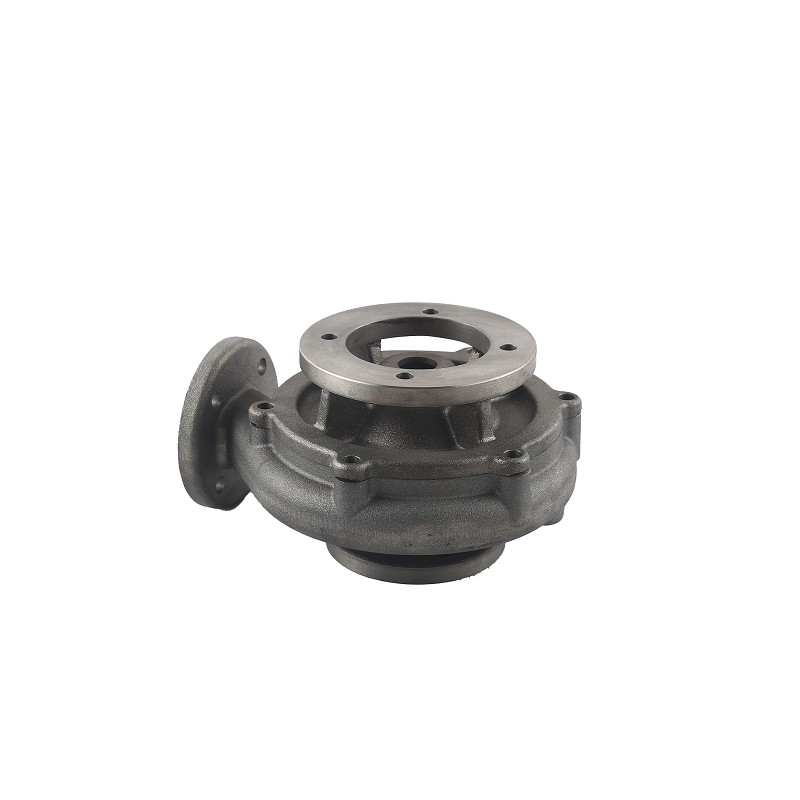
In addition to casting impellers, we also supply other high - quality casting products such as Pump Cover Castings and Cast Iron Gear. These products are also manufactured with the same high standards and attention to detail to ensure optimal performance and reliability.
Conclusion
The vibration level of a casting impeller is a critical parameter that directly affects its performance, reliability, and the overall efficiency of the equipment. By understanding the factors influencing the vibration level and taking appropriate measures to control it, we can ensure that our customers receive high - quality impellers that meet their specific requirements.
If you are in the market for casting impellers or other casting products, we invite you to contact us for more information and to discuss your procurement needs. Our team of experts is ready to assist you in finding the best solutions for your applications.
References
- "Rotating Machinery Vibration: From Analysis to Troubleshooting" by Eric Bechhoefer
- "Pump Handbook" by Igor J. Karassik, Joseph P. Messina, Paul Cooper, and Charles C. Heald