

Hey there! As a supplier of casting impellers, I often get asked about the noise level of these crucial components. So, I thought I'd take a deep dive into this topic and share some insights with you all.
First off, let's understand what a casting impeller is. A casting impeller is a key part in many types of pumps and machinery. It's typically made through a casting process, where molten metal is poured into a mold to form the desired shape. These impellers are used to transfer energy to fluids, whether it's water, oil, or other substances, by increasing their pressure and flow rate.
Now, when it comes to the noise level of a casting impeller, there are several factors at play. One of the main factors is the design of the impeller itself. The shape, size, and number of blades can all have an impact on how much noise it generates. For example, an impeller with poorly designed blades might cause turbulence in the fluid flow, which can lead to increased noise. A well - designed impeller, on the other hand, will have a more streamlined flow, reducing noise levels.
Another important factor is the quality of the casting. If there are defects in the casting, such as air bubbles, cracks, or uneven surfaces, it can cause vibrations and noise. When the impeller rotates, these imperfections can disrupt the smooth flow of the fluid, resulting in a noisy operation. That's why at our company, we pay a lot of attention to the casting process to ensure high - quality impellers.
The operating conditions also play a significant role in the noise level. The speed at which the impeller rotates is a major factor. Generally, the higher the rotational speed, the louder the noise. This is because at higher speeds, the fluid experiences more force and turbulence, which generates more noise. Additionally, the viscosity of the fluid being pumped can affect the noise. Thicker fluids might require more power to move, and this can lead to increased noise as well.
The installation of the impeller is yet another aspect. If the impeller is not properly aligned or balanced, it can cause excessive vibrations and noise. Even a small misalignment can result in a significant increase in noise levels over time. That's why proper installation and regular maintenance are crucial to keep the noise levels in check.
Let's talk about some ways to measure the noise level of a casting impeller. One common method is to use a sound level meter. This device can accurately measure the intensity of the sound in decibels (dB). By placing the sound level meter at a specific distance from the impeller, we can get an objective measurement of the noise it produces. Another way is through subjective evaluation, where trained personnel listen to the impeller and rate the noise based on their experience.
Now, as a supplier of casting impellers, we understand the importance of providing low - noise impellers to our customers. We have a team of experts who are constantly working on improving the design and manufacturing process to reduce noise levels. Our impellers are made with high - quality materials and advanced casting techniques to ensure smooth operation and minimal noise.
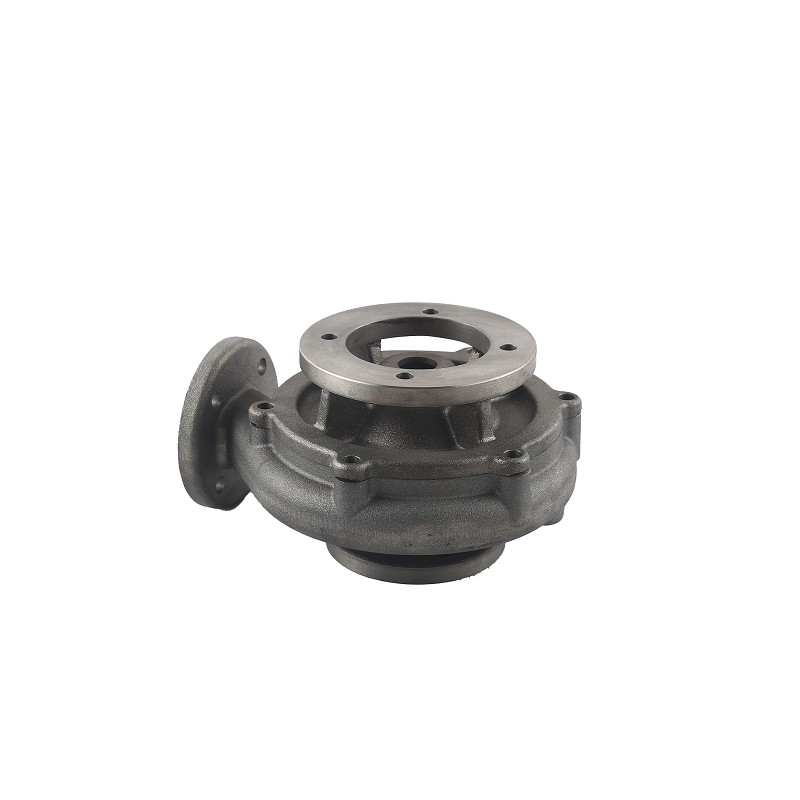
If you're in the market for casting impellers, you might also be interested in other related products. We offer a wide range of Pump Casting Parts that are designed to work seamlessly with our impellers. These parts are made with the same high - quality standards to ensure optimal performance.
In addition, our Cast Iron Gear is another great product that can be used in various applications. Cast iron gears are known for their durability and strength, and they can work well in conjunction with our casting impellers.
And if you're looking for more comprehensive pump - related solutions, check out our Pumpworks Castings. These castings are designed to meet the diverse needs of different industries.
We're always here to help you find the right casting impellers and related products for your specific requirements. Whether you need a custom - designed impeller or a standard one, we've got you covered. If you have any questions or want to discuss your project, don't hesitate to reach out. We're eager to have a chat with you and see how we can work together to meet your needs.
In conclusion, the noise level of a casting impeller is influenced by multiple factors, including design, casting quality, operating conditions, and installation. As a supplier, we're committed to providing high - quality, low - noise impellers. If you're interested in our products, we'd love to start a conversation about your procurement needs.
References

- "Pump Handbook" by Igor J. Karassik et al.
- "Fluid Mechanics" by Frank M. White.