

Mold temperature plays a pivotal role in the manufacturing process of pump castings. As a seasoned pump casting supplier, I have witnessed firsthand the profound impact that mold temperature can have on the quality of the final product. In this blog post, I will delve into the intricate relationship between mold temperature and pump casting quality, exploring the various effects it can have and offering insights into how to optimize this critical parameter.
The Basics of Pump Casting
Before we dive into the effects of mold temperature, let's first understand the basics of pump casting. Pump casting is a manufacturing process that involves pouring molten metal into a mold cavity to create a pump component. The mold is typically made of a heat-resistant material, such as sand or ceramic, and is designed to shape the molten metal into the desired form. Once the metal has solidified, the mold is removed, and the casting is finished through various machining and finishing processes.
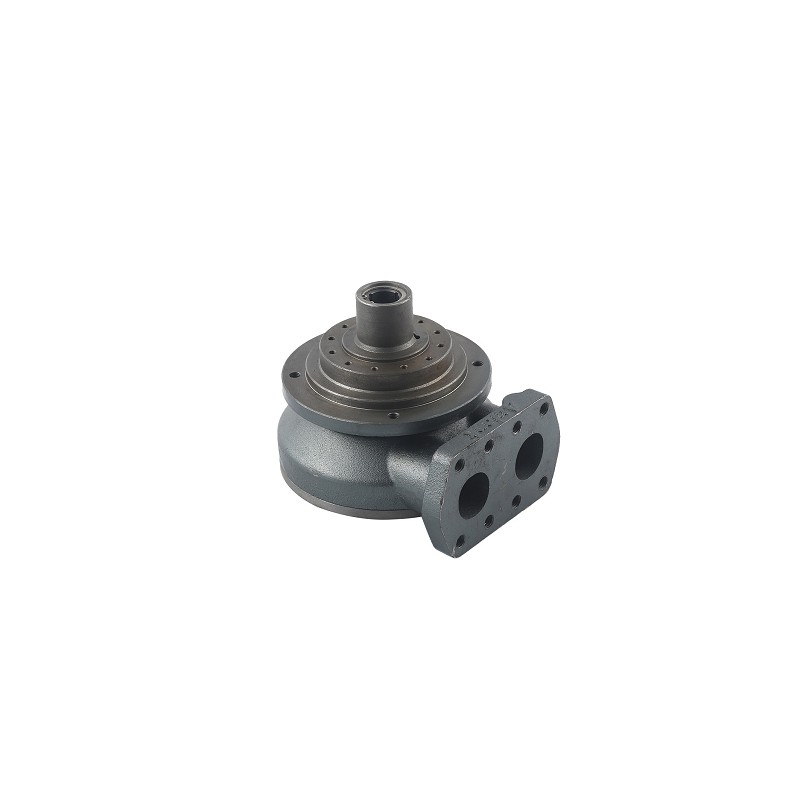

The Importance of Mold Temperature
Mold temperature is a critical parameter in the pump casting process because it affects the solidification rate of the molten metal. The solidification rate, in turn, influences the microstructure and mechanical properties of the casting. If the mold temperature is too low, the molten metal will solidify too quickly, resulting in a casting with a fine-grained microstructure and high strength but low ductility. On the other hand, if the mold temperature is too high, the molten metal will solidify too slowly, resulting in a casting with a coarse-grained microstructure and low strength but high ductility.
Effects of Mold Temperature on Pump Casting Quality
The following are some of the key effects of mold temperature on pump casting quality:
1. Porosity
Porosity is a common defect in pump castings that can significantly reduce the mechanical properties and performance of the component. It is caused by the entrapment of gas bubbles or shrinkage during the solidification process. Mold temperature can have a significant impact on porosity formation. If the mold temperature is too low, the molten metal will solidify too quickly, trapping gas bubbles and causing porosity. Conversely, if the mold temperature is too high, the molten metal will solidify too slowly, allowing gas bubbles to escape but increasing the risk of shrinkage porosity.
2. Cracking
Cracking is another common defect in pump castings that can occur during the solidification process or during subsequent machining and finishing operations. It is caused by the internal stresses that develop as the casting cools and solidifies. Mold temperature can affect the magnitude and distribution of these internal stresses. If the mold temperature is too low, the casting will cool too quickly, resulting in high internal stresses and an increased risk of cracking. Conversely, if the mold temperature is too high, the casting will cool too slowly, reducing the internal stresses but increasing the risk of hot cracking.
3. Surface Finish
The surface finish of a pump casting is an important quality characteristic that can affect its performance and appearance. Mold temperature can have a significant impact on the surface finish of the casting. If the mold temperature is too low, the molten metal will solidify too quickly, resulting in a rough surface finish. Conversely, if the mold temperature is too high, the molten metal will solidify too slowly, allowing the surface to smooth out but increasing the risk of surface defects such as oxidation and scaling.
4. Dimensional Accuracy
Dimensional accuracy is a critical quality characteristic of pump castings that can affect their fit and function. Mold temperature can have a significant impact on the dimensional accuracy of the casting. If the mold temperature is too low, the casting will shrink more as it cools, resulting in a smaller-than-desired size. Conversely, if the mold temperature is too high, the casting will shrink less as it cools, resulting in a larger-than-desired size.
Optimizing Mold Temperature for Pump Casting Quality
To optimize mold temperature for pump casting quality, it is important to consider the specific requirements of the casting and the casting process. The following are some general guidelines for optimizing mold temperature:
1. Use a Preheated Mold
Preheating the mold before pouring the molten metal can help to reduce the temperature gradient between the mold and the molten metal, resulting in a more uniform solidification rate and a lower risk of defects. The preheating temperature should be carefully controlled to ensure that it is within the recommended range for the specific casting material and process.
2. Monitor and Control Mold Temperature
During the casting process, it is important to monitor and control the mold temperature to ensure that it remains within the recommended range. This can be achieved using a variety of temperature sensors and control systems. By maintaining a consistent mold temperature, it is possible to minimize the risk of defects and improve the quality of the castings.
3. Consider the Casting Material and Process
The optimal mold temperature for a pump casting will depend on the specific casting material and process. Different materials have different solidification characteristics, and different casting processes require different mold temperatures. It is important to consult with a casting expert or refer to the manufacturer's recommendations to determine the optimal mold temperature for your specific application.
4. Use Insulation and Cooling Systems
Insulation and cooling systems can be used to control the mold temperature and improve the quality of the castings. Insulation can help to reduce heat loss from the mold, while cooling systems can be used to remove excess heat from the mold and prevent overheating. The type and design of the insulation and cooling systems will depend on the specific casting process and requirements.
Conclusion
In conclusion, mold temperature is a critical parameter in the pump casting process that can have a significant impact on the quality of the final product. By understanding the effects of mold temperature on pump casting quality and implementing appropriate optimization strategies, it is possible to minimize the risk of defects and improve the performance and reliability of the pump castings. As a pump casting supplier, I am committed to providing high-quality pump castings that meet the specific requirements of my customers. If you are interested in learning more about our Pump Casting Parts, Cast Iron Gear, or Casting Impeller, please do not hesitate to contact me for further discussion and potential procurement opportunities.
References
- Campbell, J. (2003). Castings. Butterworth-Heinemann.
- Kalpakjian, S., & Schmid, S. R. (2009). Manufacturing Engineering and Technology. Pearson Prentice Hall.
- Davis, J. R. (Ed.). (1993). Casting. ASM International.