

Hey there! As a supplier of ASTM A48 Cl 30, I often get asked about its creep resistance. So, let's dive right into it and break down what creep resistance is all about when it comes to this particular material.
First off, what's creep? Creep is the slow, continuous deformation of a material under a constant load over time. It happens even when the stress applied is below the material's yield strength. You can think of it like when you leave a heavy book on a soft plastic shelf for a long time. Over weeks or months, the shelf will start to bend slowly under the weight of the book, even though the weight isn't enough to break the shelf right away. That's creep in action.
Now, ASTM A48 Cl 30 is a type of gray cast iron. Gray cast iron is known for its good castability, machinability, and damping capacity. But when it comes to creep resistance, how does it stack up?
The creep resistance of ASTM A48 Cl 30 depends on a few factors. One of the main ones is the temperature. At room temperature, ASTM A48 Cl 30 has relatively good resistance to creep. The structure of gray cast iron, with its graphite flakes embedded in a ferrite or pearlite matrix, gives it some inherent strength. The graphite flakes act as stress concentrators to some extent, but they also help in absorbing and dissipating energy, which can contribute to its ability to resist slow deformation under normal loads.
However, as the temperature goes up, things start to change. At elevated temperatures, the atoms in the material gain more energy and can move more freely. This makes the material more prone to creep. For ASTM A48 Cl 30, when exposed to temperatures above around 400 - 500 degrees Celsius, the creep rate starts to increase significantly. The microstructure of the cast iron begins to change, and the strength and hardness of the material start to degrade. The graphite flakes can grow and coalesce, and the matrix can undergo phase transformations, all of which lead to a decrease in the material's ability to resist deformation under load.
Another factor that affects the creep resistance of ASTM A48 Cl 30 is the composition. The amount of carbon, silicon, and other alloying elements in the cast iron can have a big impact. Carbon, for example, is a key element in gray cast iron. Higher carbon content generally leads to more graphite flakes, which can affect the strength and creep properties. Silicon is also important as it helps in graphitization and can improve the castability and some mechanical properties. But if the composition isn't carefully controlled, it can also have a negative effect on creep resistance.
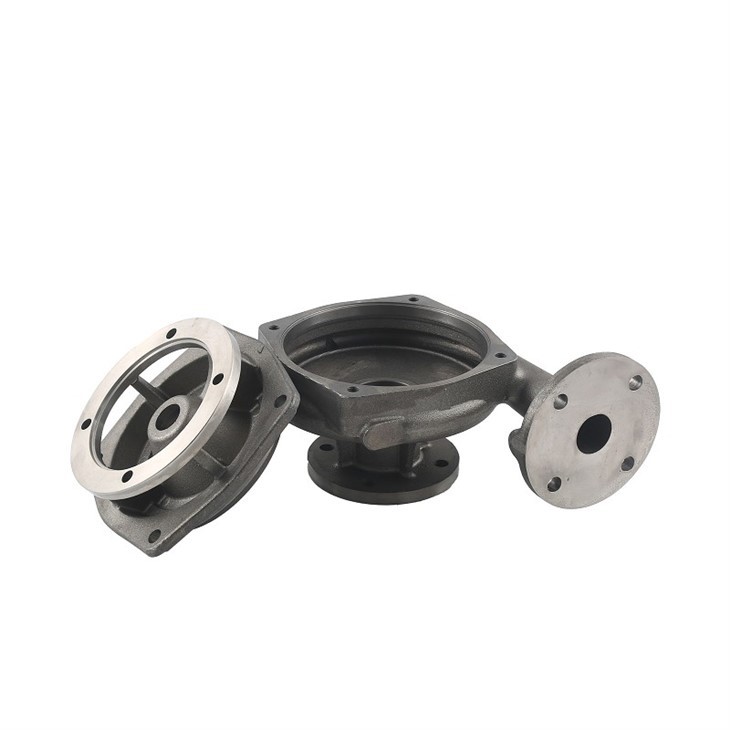
When it comes to applications, understanding the creep resistance of ASTM A48 Cl 30 is crucial. For instance, in Pump Casting Parts, the material needs to maintain its shape and dimensions over time. If the pump parts are subject to constant pressure and temperature variations, creep can cause the parts to deform, leading to leaks or reduced efficiency. Similarly, Casting Impeller used in pumps or other fluid - handling equipment need to have good creep resistance. Any deformation of the impeller can disrupt the flow of the fluid and affect the performance of the entire system.
In the case of Cast Iron Gear, creep can be a real problem. Gears are under constant load and meshing forces. If the material creeps over time, the gear teeth can change shape, leading to poor meshing, increased noise, and eventually, gear failure. So, for these applications, it's important to consider the operating conditions and ensure that the ASTM A48 Cl 30 used has the appropriate creep resistance.
As a supplier, I always make sure to work closely with my customers to understand their specific needs. If they're using ASTM A48 Cl 30 in an application where creep resistance is critical, I'll help them analyze the operating temperature, load, and other factors. We can then determine if any special treatments or modifications to the material are needed. For example, heat treatment can sometimes improve the creep resistance by changing the microstructure of the cast iron.
If you're in the market for ASTM A48 Cl 30 and have questions about its creep resistance or how it can be used in your specific application, don't hesitate to reach out. I'm here to help you make the right choice and ensure that you get the best - performing material for your project. Whether it's for pump casting parts, casting impellers, or cast iron gears, I've got the knowledge and experience to assist you.
In conclusion, the creep resistance of ASTM A48 Cl 30 is a complex but important property. It's influenced by temperature, composition, and the specific application. By understanding these factors, we can make informed decisions about using this material in various industries. So, if you're thinking about using ASTM A48 Cl 30, let's have a chat and figure out the best way to meet your requirements.
References:

- Metals Handbook: Properties and Selection - Irons, Steels, and High - Performance Alloys, ASM International
- "Creep of Metals and Alloys" by A. Sherby and J. D. Burke