

Hey there! I'm a supplier of ASTM A48 Cl 30, and I've been dealing with this material for quite some time. Today, I want to share with you the factors that can affect the magnetic property of ASTM A48 Cl 30.
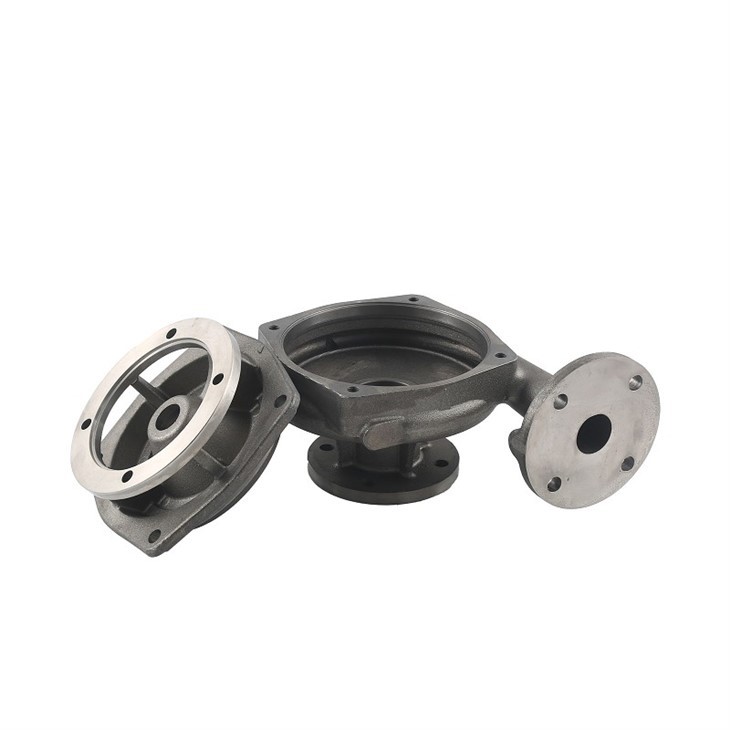
ASTM A48 Cl 30 is a type of gray cast iron, which is widely used in various industries due to its good castability, machinability, and wear resistance. It's often used in applications like Submersible Pump Casting Parts, Pump Cover Castings, and Cast Iron Gear. The magnetic property of this material can be crucial in some specific applications, so understanding what affects it is super important.
Chemical Composition
One of the most significant factors affecting the magnetic property of ASTM A48 Cl 30 is its chemical composition. The main elements in gray cast iron include iron (Fe), carbon (C), silicon (Si), manganese (Mn), sulfur (S), and phosphorus (P).
Iron is the base element, and it's ferromagnetic. However, the presence of other elements can modify its magnetic behavior. Carbon, for example, is usually present in the form of graphite flakes in gray cast iron. The amount and distribution of graphite can have an impact on the magnetic properties. A higher carbon content generally leads to more graphite flakes, which can disrupt the magnetic domains in the iron matrix. This disruption can reduce the overall magnetic permeability of the material.
Silicon is another important element. It promotes the formation of graphite and also affects the solidification process. A proper amount of silicon can improve the mechanical properties of the cast iron, but it can also influence the magnetic properties. Higher silicon content can increase the electrical resistivity of the material, which in turn can affect its magnetic behavior.

Manganese is added to control the sulfur content. It forms manganese sulfide (MnS) inclusions, which can affect the magnetic properties. These inclusions can act as barriers to the movement of magnetic domains, reducing the magnetic permeability.
Sulfur and phosphorus are usually considered impurities. Sulfur can form iron sulfide (FeS), which has a negative impact on the mechanical and magnetic properties. Phosphorus can form hard and brittle phosphide eutectics, which can also disrupt the magnetic domains.
Microstructure
The microstructure of ASTM A48 Cl 30 plays a crucial role in determining its magnetic properties. As mentioned earlier, the graphite flakes in gray cast iron can disrupt the magnetic domains. The size, shape, and distribution of these graphite flakes are important.
Large and well - separated graphite flakes are more likely to disrupt the magnetic domains compared to small and evenly distributed ones. The orientation of the graphite flakes can also matter. If the flakes are oriented in a way that they align with the magnetic field, they may have a different effect on the magnetic properties compared to a random orientation.
In addition to graphite, the matrix structure also affects the magnetic properties. The matrix can be ferrite, pearlite, or a combination of both. Ferrite is ferromagnetic, while pearlite is a mixture of ferrite and cementite. The proportion of ferrite and pearlite in the matrix can influence the overall magnetic behavior. A higher ferrite content generally leads to higher magnetic permeability.
Heat Treatment
Heat treatment can be used to modify the microstructure and, consequently, the magnetic properties of ASTM A48 Cl 30. Annealing is a common heat treatment process for gray cast iron. During annealing, the material is heated to a specific temperature and then slowly cooled. This process can promote the growth of graphite flakes and change the matrix structure.
For example, a full annealing process can transform the matrix from pearlite to ferrite, which can increase the magnetic permeability. Normalizing, on the other hand, involves heating the material to a higher temperature and then air - cooling. This can result in a finer microstructure and may change the magnetic properties in a different way compared to annealing.
Quenching and tempering are also heat treatment processes that can be used. Quenching can produce a hard and martensitic structure, which has different magnetic properties compared to the as - cast or annealed structure. Tempering after quenching can relieve the internal stresses and modify the microstructure further, affecting the magnetic behavior.
Cooling Rate
The cooling rate during the casting process can have a significant impact on the microstructure and magnetic properties of ASTM A48 Cl 30. A fast cooling rate can lead to a finer microstructure, with smaller graphite flakes and a higher proportion of pearlite in the matrix. This can result in different magnetic properties compared to a slow cooling rate.
A slow cooling rate allows for more time for graphite to form and grow, resulting in larger graphite flakes and a higher proportion of ferrite in the matrix. The cooling rate also affects the formation of other phases and inclusions, which can all influence the magnetic behavior.
Stress and Strain
Mechanical stress and strain can also affect the magnetic properties of ASTM A48 Cl 30. When the material is subjected to stress, the magnetic domains can be reoriented. Tensile stress can align the magnetic domains in the direction of the stress, increasing the magnetic permeability in that direction. Compressive stress, on the other hand, can have the opposite effect.
Plastic deformation can also change the magnetic properties. Deformation can introduce dislocations and other defects in the material, which can disrupt the magnetic domains. This disruption can lead to a decrease in magnetic permeability.
Temperature
Temperature is another important factor. The magnetic properties of ASTM A48 Cl 30 are temperature - dependent. As the temperature increases, the thermal energy causes the magnetic domains to become more disordered.
At the Curie temperature, which is around 770°C for pure iron, the ferromagnetic material loses its ferromagnetic properties and becomes paramagnetic. For ASTM A48 Cl 30, the Curie temperature may be slightly different due to the presence of other elements and the microstructure.
As the temperature decreases from the Curie temperature, the material regains its ferromagnetic properties. However, the cooling rate during this process can also affect the final magnetic properties.
In conclusion, the magnetic properties of ASTM A48 Cl 30 are affected by a variety of factors, including chemical composition, microstructure, heat treatment, cooling rate, stress and strain, and temperature. As a supplier, I understand the importance of controlling these factors to meet the specific requirements of our customers.
If you're interested in purchasing ASTM A48 Cl 30 for applications where magnetic properties are important, feel free to contact me for a detailed discussion. We can work together to ensure that the material meets your needs.
References
- "Gray Cast Iron Handbook" - A comprehensive guide on the properties and applications of gray cast iron.
- "Metallurgy of Cast Iron" - This book provides in - depth knowledge about the microstructure and properties of cast iron.
- Research papers on the magnetic properties of cast iron published in leading materials science journals.