

Hey there! As a pump casting supplier, I've seen firsthand how crucial it is to select the appropriate pouring temperature for pump casting. It's not just a random number; it can make or break the quality of the final product. So, in this blog, I'm gonna share some tips on how to choose the right pouring temperature for pump casting.
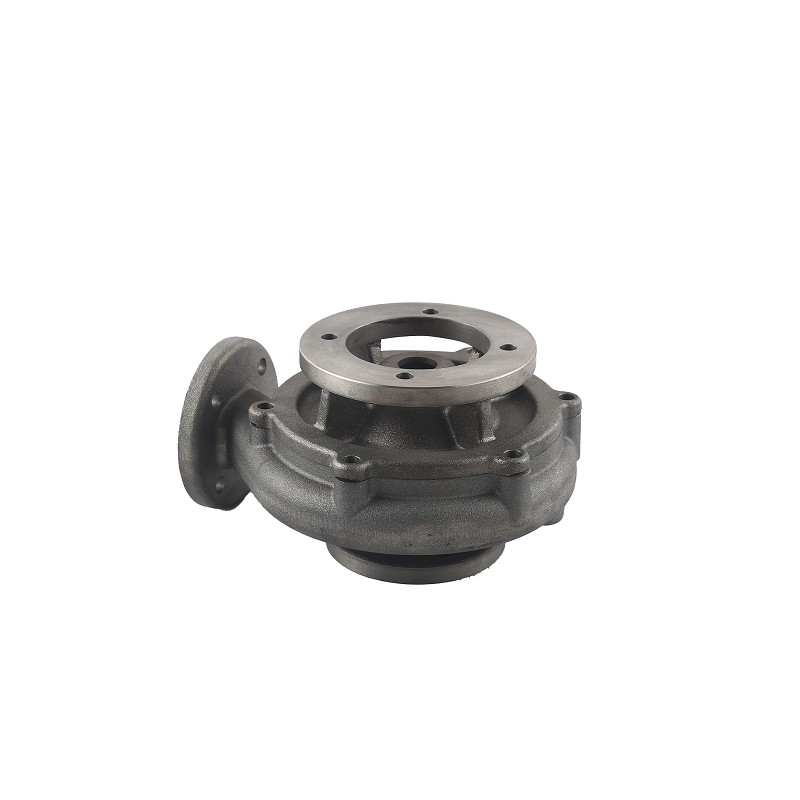

Understanding the Basics of Pouring Temperature
First things first, let's talk about what pouring temperature actually is. In simple terms, it's the temperature at which the molten metal is poured into the mold during the casting process. This temperature plays a vital role in determining the quality, structure, and properties of the cast pump.
If the pouring temperature is too high, it can lead to a bunch of problems. For example, the molten metal might react more vigorously with the mold material, causing defects like sand inclusions or hot tears. High temperatures can also increase the shrinkage rate of the metal as it cools, leading to dimensional inaccuracies.
On the other hand, if the pouring temperature is too low, the molten metal might not flow properly into all the nooks and crannies of the mold. This can result in incomplete filling, which means parts of the pump might be missing or have thin sections that are prone to failure.
Factors Affecting Pouring Temperature
Now that we know why pouring temperature is important, let's look at the factors that can affect it.
1. Metal Alloy
Different metal alloys have different melting points and fluidity characteristics. For instance, cast iron has a relatively high melting point compared to some aluminum alloys. So, when casting a pump made of Casting Impeller material, which might be a specific type of alloy, you need to adjust the pouring temperature accordingly.
Astm A48 Cl 30 is a common type of cast iron used in pump casting. It has its own optimal pouring temperature range. Generally, for this type of cast iron, the pouring temperature is usually between 1350°C and 1450°C. But this can vary depending on other factors like the size and complexity of the pump.
2. Mold Material and Design
The type of mold material you use can also influence the pouring temperature. Sand molds, for example, absorb heat from the molten metal faster than some other types of molds. So, you might need to pour the metal at a slightly higher temperature to ensure it fills the mold completely.
The design of the mold is another important factor. If the mold has thin walls or complex geometries, the molten metal needs to be more fluid to flow through easily. This might require a higher pouring temperature. On the other hand, if the mold has thick sections, a slightly lower pouring temperature might be sufficient.
3. Pump Size and Shape
The size and shape of the pump being cast play a significant role in determining the pouring temperature. Larger pumps usually require a higher pouring temperature because it takes longer for the molten metal to fill the entire mold. This gives the metal more time to cool, so a higher initial temperature helps keep it fluid.
Complex-shaped pumps, like those with intricate internal passages or small details, also need a higher pouring temperature. The metal needs to be able to flow smoothly into all the small spaces without solidifying too quickly.
How to Determine the Appropriate Pouring Temperature
So, now that we know the factors that affect pouring temperature, how do we actually determine the right one for a specific pump casting?
1. Consult Historical Data
One of the easiest ways is to look at historical data from previous casting projects. If you've cast similar pumps in the past, you can refer to the pouring temperatures that worked well then. This can give you a good starting point.
Keep a record of the pouring temperatures used for different types of pumps, along with the quality of the final products. Over time, you'll build up a database that can help you make more informed decisions.
2. Conduct Tests
If you're casting a new type of pump or using a different metal alloy, it's a good idea to conduct some tests. You can start by pouring a few test samples at different temperatures and then analyzing the results.
Look for defects like incomplete filling, porosity, or cracks in the test samples. The temperature that produces the highest-quality samples is likely the most appropriate pouring temperature for your pump casting.
3. Use Temperature Monitoring Tools
Investing in good temperature monitoring tools is essential for accurate pouring temperature control. Thermocouples are commonly used to measure the temperature of the molten metal. They can be inserted into the ladle or the pouring stream to get real-time temperature readings.
Some modern casting facilities also use infrared thermometers to measure the surface temperature of the molten metal. These tools can provide quick and accurate temperature measurements, allowing you to make adjustments on the fly.
Benefits of Selecting the Right Pouring Temperature
Choosing the appropriate pouring temperature offers several benefits for pump casting.
1. Improved Quality
The most obvious benefit is improved quality. When the pouring temperature is right, the molten metal fills the mold completely, resulting in a pump with no defects or weak spots. This means the pump will have better mechanical properties and a longer service life.
2. Cost Savings
Selecting the right pouring temperature can also lead to cost savings. By avoiding defects like incomplete filling or hot tears, you reduce the number of rejected parts. This means less waste and lower production costs.
3. Increased Productivity
When the pouring temperature is optimized, the casting process runs more smoothly. There are fewer interruptions due to problems like clogged molds or incomplete filling. This leads to increased productivity and faster turnaround times.
Conclusion
Selecting the appropriate pouring temperature for pump casting is a critical step in the manufacturing process. It requires careful consideration of factors like the metal alloy, mold material and design, and the size and shape of the pump.
By using historical data, conducting tests, and investing in temperature monitoring tools, you can determine the right pouring temperature for your specific pump casting project. This will result in higher-quality pumps, cost savings, and increased productivity.
If you're in the market for high-quality pump castings and want to learn more about our products and services, feel free to reach out to us. We're always happy to discuss your requirements and help you find the best solutions for your needs. Let's work together to create the perfect pump castings for your applications!
References
- ASM Handbook, Volume 15: Casting. ASM International.
- Campbell, J. (2003). Castings. Butterworth-Heinemann.
- Metal Casting: A Practical Guide. Industrial Press Inc.