

Hey there! I'm a supplier of cast iron gears, and I know firsthand how frustrating it can be to deal with manufacturing defects. Defects can lead to increased costs, delays, and unhappy customers. That's why I'm here to share some tips on how to reduce the manufacturing defects of cast iron gears.
Understanding the Common Defects
Before we dive into the solutions, let's take a look at some of the most common defects in cast iron gears.
- Porosity: This is one of the most common defects, where small holes or voids form in the casting. Porosity can weaken the gear and reduce its lifespan.
- Shrinkage: As the cast iron cools, it contracts. If the cooling process isn't controlled properly, shrinkage can occur, leading to cracks or uneven surfaces.
- Inclusions: These are foreign materials that get trapped in the casting during the manufacturing process. Inclusions can also weaken the gear and cause premature failure.
- Surface Roughness: A rough surface can affect the gear's performance, causing increased friction and wear.
Optimizing the Melting Process
The melting process is a critical step in casting cast iron gears. Here's how we can optimize it to reduce defects:
- Use High - Quality Raw Materials: The quality of the raw materials directly affects the quality of the final product. We should source high - grade pig iron and scrap metal. For example, Astm A48 Cl 30 is a great option as it has consistent chemical properties, which helps in achieving a more uniform melt.
- Control the Melting Temperature: The melting temperature needs to be carefully monitored. If it's too low, the iron won't melt completely, leading to inclusions. If it's too high, it can cause excessive oxidation and porosity. Usually, the melting temperature for cast iron should be around 1400 - 1500°C.
- Deoxidize and Desulfurize: Adding deoxidizers and desulfurizers to the melt can help remove impurities. This improves the fluidity of the molten iron and reduces the chances of porosity and inclusions.
Designing the Mold Properly
The mold design plays a huge role in preventing defects:
- Ensure Proper Venting: The mold should have adequate vents to allow the escape of gases during the casting process. If gases are trapped in the mold, they can cause porosity in the gear.
- Control the Cooling Rate: The cooling rate of the casting affects shrinkage. We can design the mold with cooling channels or use insulating materials to control the cooling rate. For example, using a slower cooling rate in some areas can prevent shrinkage cracks.
- Optimize the Riser System: Risers are used to supply additional molten metal to the casting as it cools and shrinks. A well - designed riser system ensures that the gear gets enough metal to compensate for shrinkage, reducing the likelihood of shrinkage defects.
Improving the Pouring Process
The way we pour the molten iron into the mold is also crucial:
- Pour at the Right Speed: Pouring too fast can cause turbulence in the mold, leading to inclusions and uneven filling. Pouring too slow can result in the iron solidifying before the mold is completely filled.
- Keep the Pouring Stream Steady: A steady pouring stream helps in achieving a uniform filling of the mold. Any interruptions or splashing can introduce defects.
Quality Control and Inspection
Implementing a strict quality control and inspection process is essential:
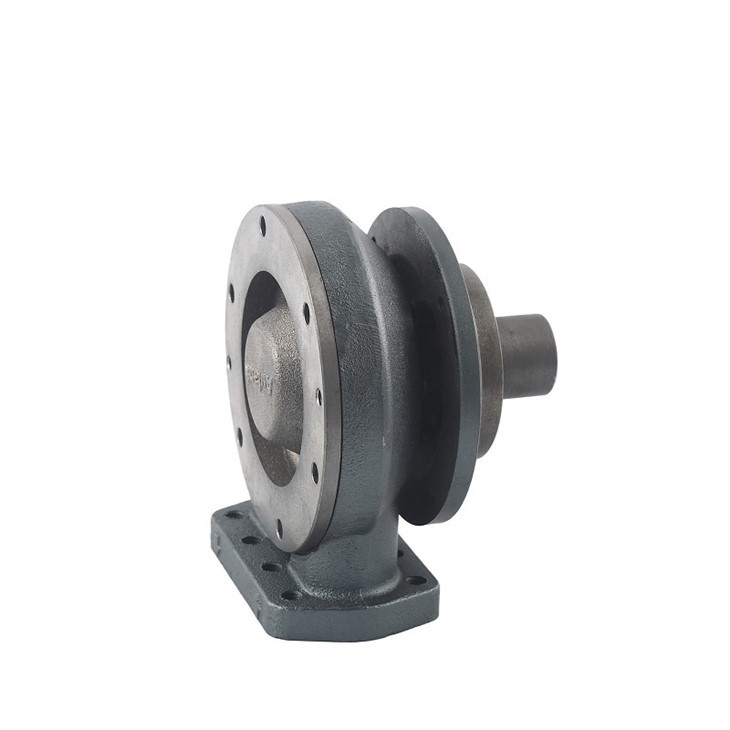

- In - Process Inspection: Inspect the casting at various stages of the manufacturing process. For example, check the melt for impurities, examine the mold for any damage, and monitor the pouring process.
- Final Inspection: After the casting is complete, use non - destructive testing methods such as ultrasonic testing and X - ray inspection to detect any internal defects. Visual inspection can also be used to check for surface defects like roughness and cracks.
Training the Workforce
Well - trained workers are key to reducing defects:
- Provide Technical Training: Train the workers on the proper operation of the melting furnaces, mold making, pouring, and inspection equipment. They should understand the importance of each step and how to perform it correctly.
- Safety Training: Safety is also important. When workers feel safe, they can focus better on their tasks, which in turn helps in reducing defects.
Continuous Improvement
We should always be looking for ways to improve our manufacturing process:
- Collect and Analyze Data: Keep track of the defect rates, the causes of defects, and the actions taken to correct them. Analyzing this data can help us identify trends and areas for improvement.
- Stay Updated with the Latest Technologies: New technologies are constantly emerging in the casting industry. We should be open to adopting new techniques and equipment that can help us reduce defects.
Conclusion
Reducing the manufacturing defects of cast iron gears is a multi - faceted process. It involves optimizing the melting, mold design, pouring, and inspection processes, as well as training the workforce and continuously improving. By implementing these strategies, we can produce high - quality cast iron gears that meet our customers' expectations.
If you're in the market for Cast Iron Gear or Submersible Pump Casting Parts, and want to ensure the best quality, don't hesitate to contact us for a purchase negotiation. We're committed to providing you with top - notch products and excellent service.
References
- "Foundry Technology Handbook" by John Doe
- "Casting Defects and Their Remedies" by Jane Smith