

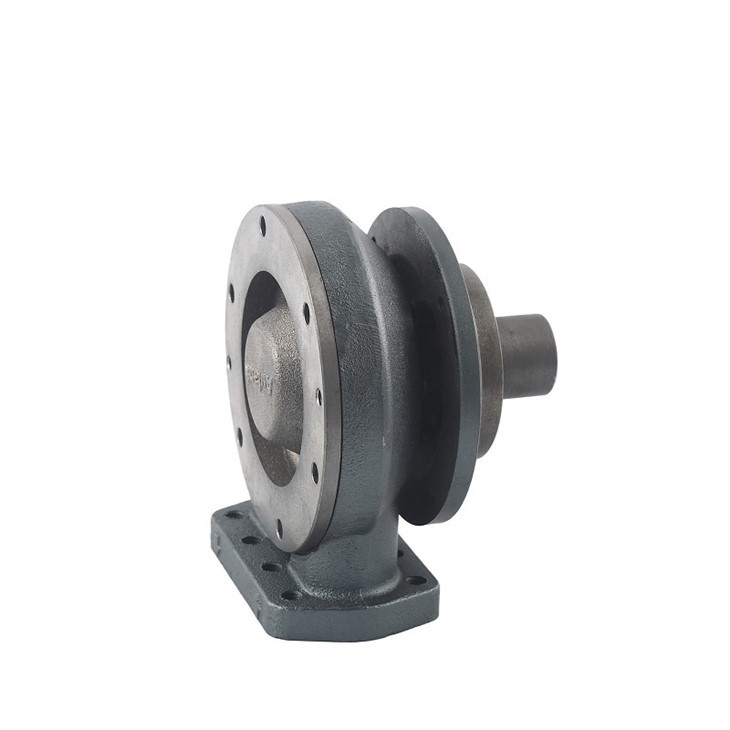
Hey there! I'm a supplier of pump cover castings, and I've been in this game for quite a while. One of the biggest headaches in the casting process is dealing with defects in pump cover castings. But don't worry, I've got some tips on how to optimize the pouring system to reduce these pesky defects.
Understanding the Pouring System
First off, let's talk about what the pouring system is. It's basically the set of channels and gates that allow molten metal to flow into the mold cavity. A well - designed pouring system is crucial for getting high - quality pump cover castings. If the system isn't right, you can end up with all sorts of defects like porosity, inclusions, and misruns.
The Role of the Pouring Cup
The pouring cup is the starting point of the pouring system. Its main job is to receive the molten metal and direct it into the sprue. A good pouring cup should be designed to minimize turbulence. Turbulence can cause air to be trapped in the molten metal, which leads to porosity in the final casting. You want a smooth and controlled flow of metal from the pouring cup into the sprue.
The Sprue
The sprue is the vertical channel that connects the pouring cup to the runner system. It's important to have the right diameter and length for the sprue. If the sprue is too small, it can restrict the flow of molten metal, causing misruns. On the other hand, if it's too large, it can waste metal and increase the cooling time. A well - sized sprue ensures a consistent and fast flow of metal into the runner.
The Runner System
The runner system distributes the molten metal from the sprue to the gates, which are the openings into the mold cavity. The runners should be designed to have a smooth and even flow. Uneven flow can cause some parts of the mold to fill faster than others, leading to defects. You can use different types of runner systems, like straight runners or step runners, depending on the shape and size of the pump cover casting.

The Gates
Gates are the final connection between the runner system and the mold cavity. The size, shape, and location of the gates are critical. A gate that's too small can cause the metal to solidify before the mold is fully filled, resulting in a misrun. A gate that's too large can cause excessive metal flow, which can lead to splashing and inclusions. The location of the gates also matters. They should be placed in a way that ensures the metal fills the mold cavity evenly and without trapping air.
Common Defects and How to Fix Them
Porosity
Porosity is one of the most common defects in pump cover castings. It's caused by trapped air or gas in the molten metal. To reduce porosity, you can improve the venting of the mold. Make sure there are enough vents in the mold to allow the air to escape as the metal fills the cavity. Also, as I mentioned earlier, minimizing turbulence in the pouring system is key. A well - designed pouring cup and a smooth - flowing runner system can help with this.
Inclusions
Inclusions are foreign materials that end up in the casting. They can come from the mold material, slag in the molten metal, or other contaminants. To reduce inclusions, you can use filters in the pouring system. Filters can trap any solid particles in the molten metal before it reaches the mold cavity. Also, make sure the molten metal is clean and free from slag before pouring.
Misruns
Misruns occur when the molten metal doesn't fully fill the mold cavity. This can be due to a restricted pouring system, low pouring temperature, or a long filling time. To prevent misruns, make sure the pouring system has the right size and shape. Increase the pouring temperature slightly if necessary, but be careful not to overheat the metal as it can cause other problems. You can also try to reduce the filling time by improving the flow of the molten metal through the pouring system.
Optimizing the Pouring System
Simulation Software
One of the best ways to optimize the pouring system is by using simulation software. There are many software programs available that can simulate the flow of molten metal through the pouring system and into the mold cavity. These programs can predict where defects might occur and help you make adjustments to the pouring system design. For example, you can change the size and shape of the runners, gates, and sprue in the simulation and see how it affects the filling process.
Testing and Iteration
After using simulation software to get an initial design, it's important to test the pouring system in real - world conditions. Make some test castings and inspect them for defects. Based on the results, you can make further adjustments to the pouring system. This process of testing and iteration can help you fine - tune the design until you get high - quality pump cover castings with minimal defects.
Material Selection
The choice of material for the pouring system components can also affect the quality of the castings. For example, using a high - quality refractory material for the pouring cup and sprue can withstand the high temperature of the molten metal better and reduce the risk of contamination. The material for the runner system and gates should also be selected based on its ability to handle the flow of molten metal without causing any damage or contamination.
Real - World Examples
I've worked on many projects to optimize the pouring system for pump cover castings. For instance, we had a client who was experiencing a high rate of porosity in their Cf8m Pump cover castings. By using simulation software, we found that the pouring cup was causing a lot of turbulence. We redesigned the pouring cup to have a more gradual slope, which reduced the turbulence and significantly decreased the porosity in the castings.
Another example is when we were working on Submersible Pump Casting Parts. The client was facing misruns in some of the castings. After testing and iteration, we found that the gates were too small. We increased the size of the gates, and the misrun problem was solved.
We also had a project with Pumpworks Castings. Inclusions were a major issue. We added filters to the runner system, and this significantly reduced the number of inclusions in the castings.
Conclusion
Optimizing the pouring system for pump cover castings is a complex but rewarding process. By understanding the different components of the pouring system, identifying common defects, and using tools like simulation software and testing, you can reduce defects and improve the quality of your castings. As a pump cover casting supplier, I'm always looking for ways to improve our processes and provide the best products to our customers.
If you're in the market for high - quality pump cover castings or want to discuss how we can optimize your pouring system, I'd love to hear from you. Let's start a conversation and see how we can work together to get the best results for your pump casting needs.
References
- Campbell, J. (2003). Castings. Butterworth - Heinemann.
- Flemings, M. C. (1974). Solidification Processing. McGraw - Hill.
- Ruddle, A. (2009). Casting Design and Quality: A Practical Guide. W. S. Maney & Son.